Discover the untamed beauty of Tanzania’s Central Serengeti with our exclusive guided tour! The Serengeti, a UNESCO World Heritage Site, spans nearly 15,000 square kilometers and is home to one of the most magnificent ecosystems on Earth. Here, you’ll journey into the heart of Africa’s most iconic wildlife destination, where sweeping golden plains and acacia-dotted landscapes offer front-row seats to the wonders of nature.
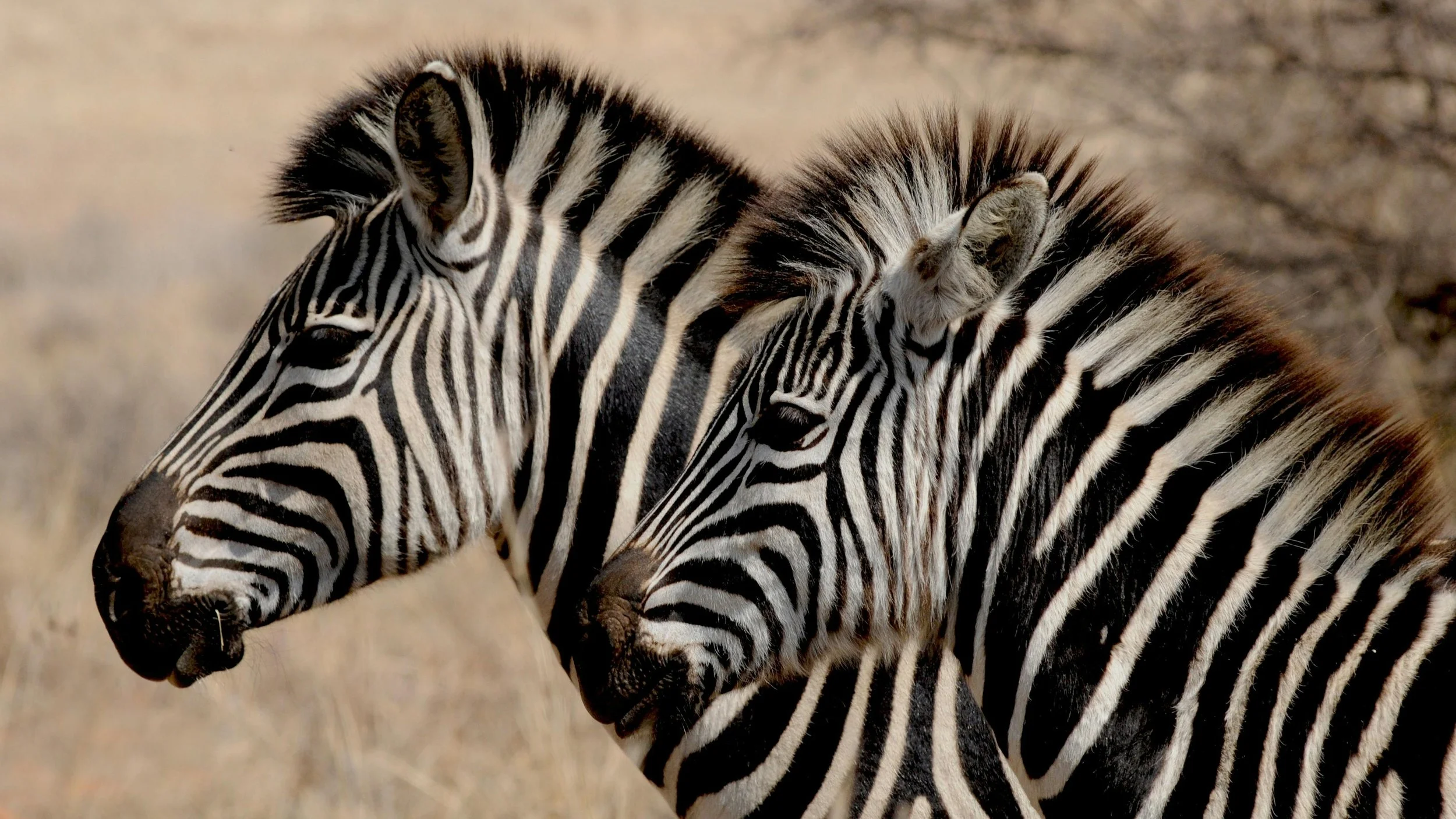
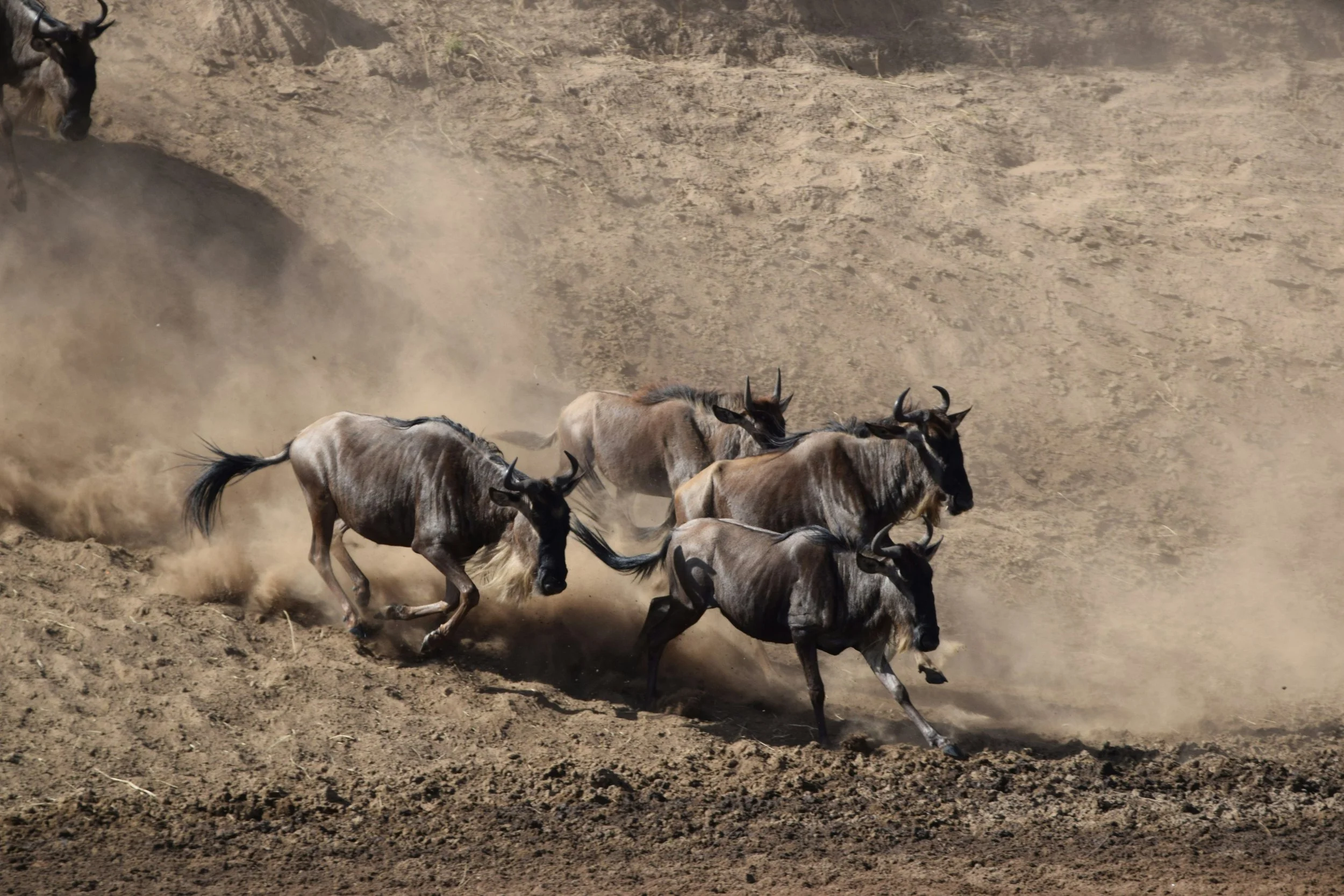
Experience the world-famous Great Migration — a breathtaking spectacle where millions of wildebeest, zebra, and antelope traverse the plains in search of fresh grazing, closely followed by powerful predators like lions, cheetahs, and crocodiles. With expert guides and comfortable accommodations in prime viewing locations, you'll witness unforgettable moments, from dawn safaris to sunset game drives, surrounded by wildlife as far as the eye can see. Join us and uncover the timeless allure of the Serengeti — where nature’s drama unfolds daily and adventure awaits at every turn.
Popular activities include: game viewing, cultural tours, horse riding safaris, and hot air balloon safaris.




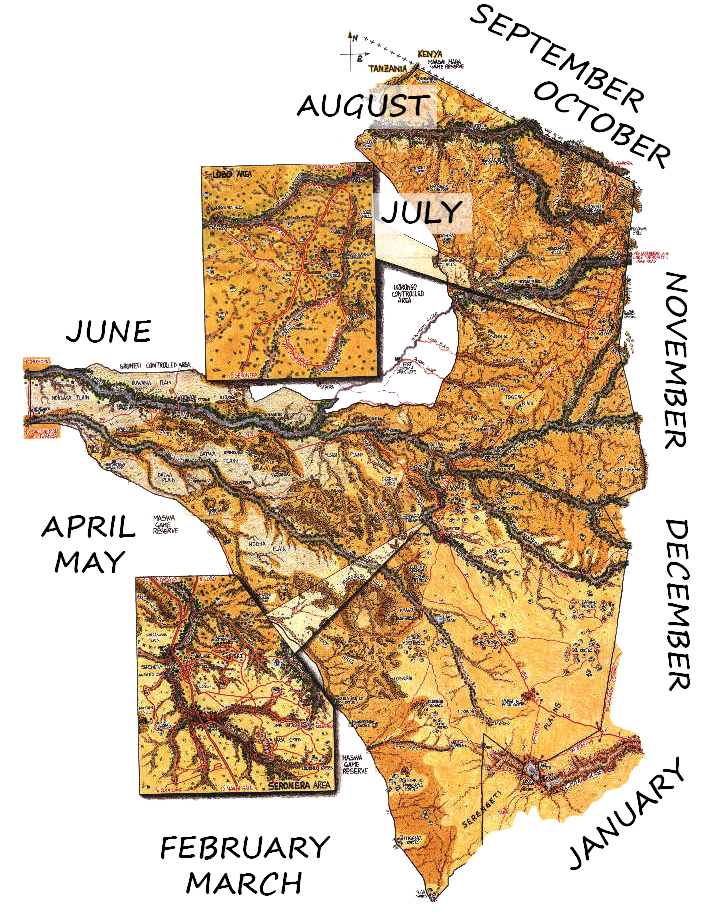
Migration Calendar
December – March: Calving Season (Southern Serengeti & Ndutu)
The migration concentrates on the nutrient-rich short-grass plains of Ndutu (Southern Serengeti and the Ngorongoro Conservation Area).
February is peak calving, with an estimated 8,000 calves born each day over a 2–3 week period.
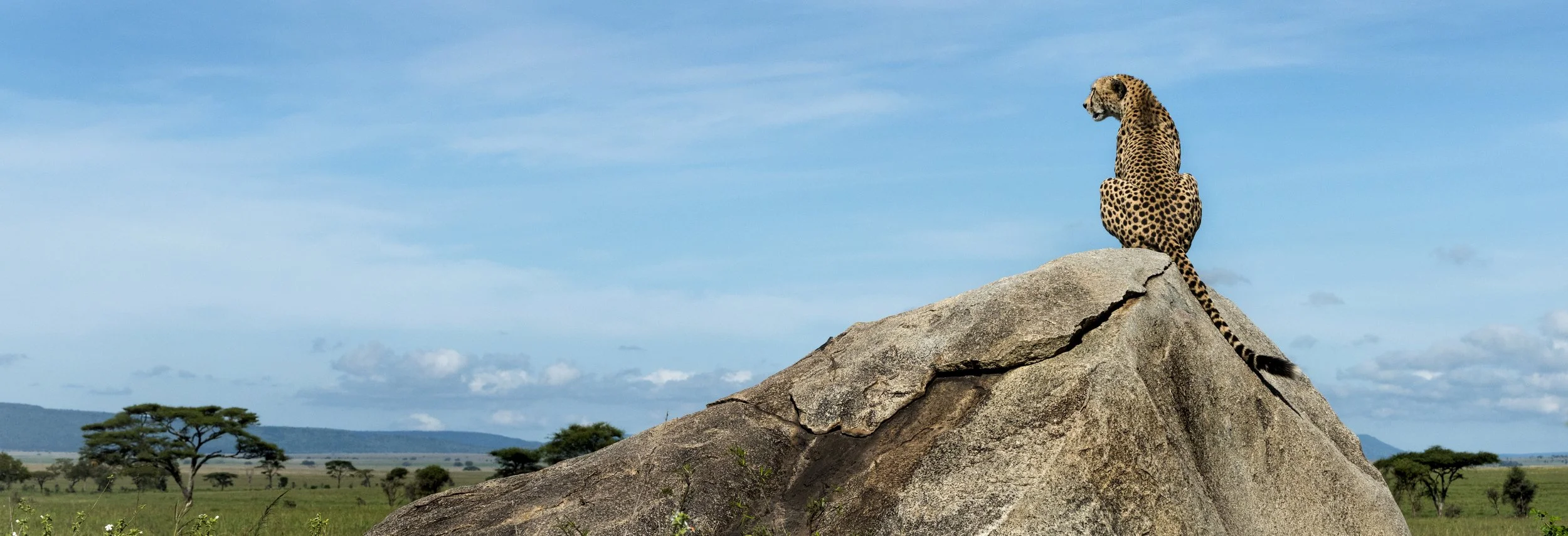
Predators—lion, cheetah, hyena—are highly active, making this one of the best wildlife months of the year.
April – May: Central Serengeti Movement
As the long rains arrive, the herds begin pushing northwards through Central Serengeti, typically around Seronera, Moru Kopjes, and Dunia areas.
Herds are widespread and constantly on the move.
Dramatic storm skies and lush landscapes make this a beautiful, less-crowded time.
June – July: Western Corridor & Grumeti River
The migration funnels into the Western Corridor along the Grumeti River.
Large herds gather on the riverbanks, creating intense predator–prey drama.
The Grumeti River crossings (less famous than the Mara crossings) often occur from late June into July.
July – October: Northern Serengeti & Masai Mara (Mara River Crossings)
This is the most iconic phase of the migration.
The herds reach the northern Serengeti (Kogatende/Lamayi) and the Masai Mara.
Mara River crossings take place from July through early October, with peak activity generally in July–August.
Herds move back and forth across the river depending on rainfall patterns.
October – November: Southbound Return
With the first short rains, the herds begin moving back south.
Groups can be seen migrating through northern and central Serengeti, heading towards the eastern and southern plains.
The movement is steady but dispersed.
November: Approaching the Southern Plains
By mid- to late November, many herds gather in the central and eastern Serengeti, preparing for their arrival back onto the Ndutu plains for the next calving season.
The cycle is now almost complete.
A Naturally Unpredictable Rhythm
While the pattern repeats each year, exact locations vary depending on rainfall, river levels, and grazing conditions. The migration is not a single file of animals but thousands of smaller groups, sometimes spread across hundreds of kilometres.
This unpredictability is what makes the migration so extraordinary — it is never the same twice.